A yurt isn't a simple tent from a campsite — it's a sophisticated piece of engineering, refined by steppe nomads over centuries.
A nomadic engineering, not a campsite
A wooden lattice frame (kerege), domed roof poles (uyk), and a felt covering that shields against daytime heat while trapping warmth on cold mountain nights. It's precisely this thoughtful design that explains why a night in a yurt at Kolsai feels less like a sacrifice of comfort and more like a distinct experience in its own right within a longer individual tour.
Where the camps sit
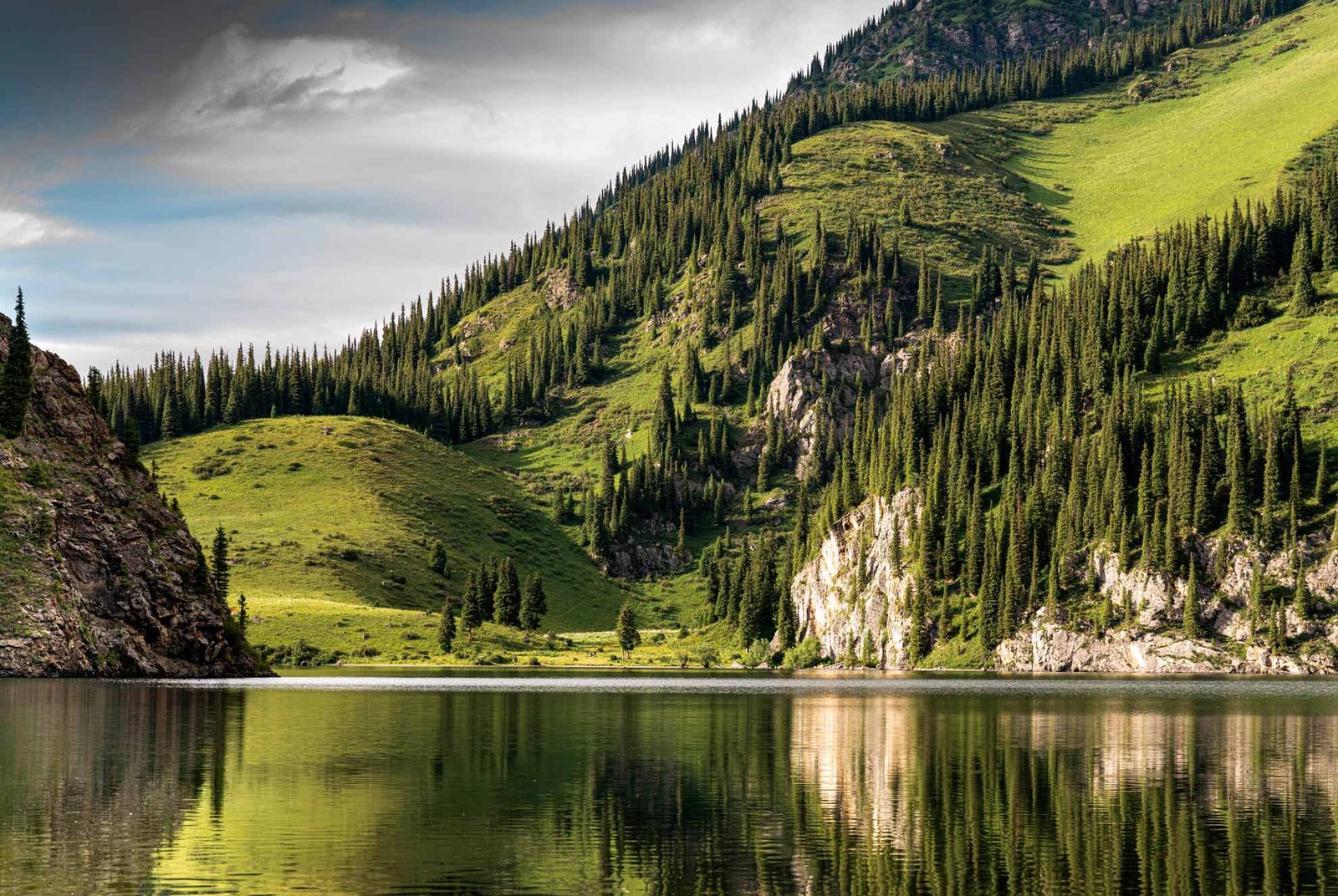
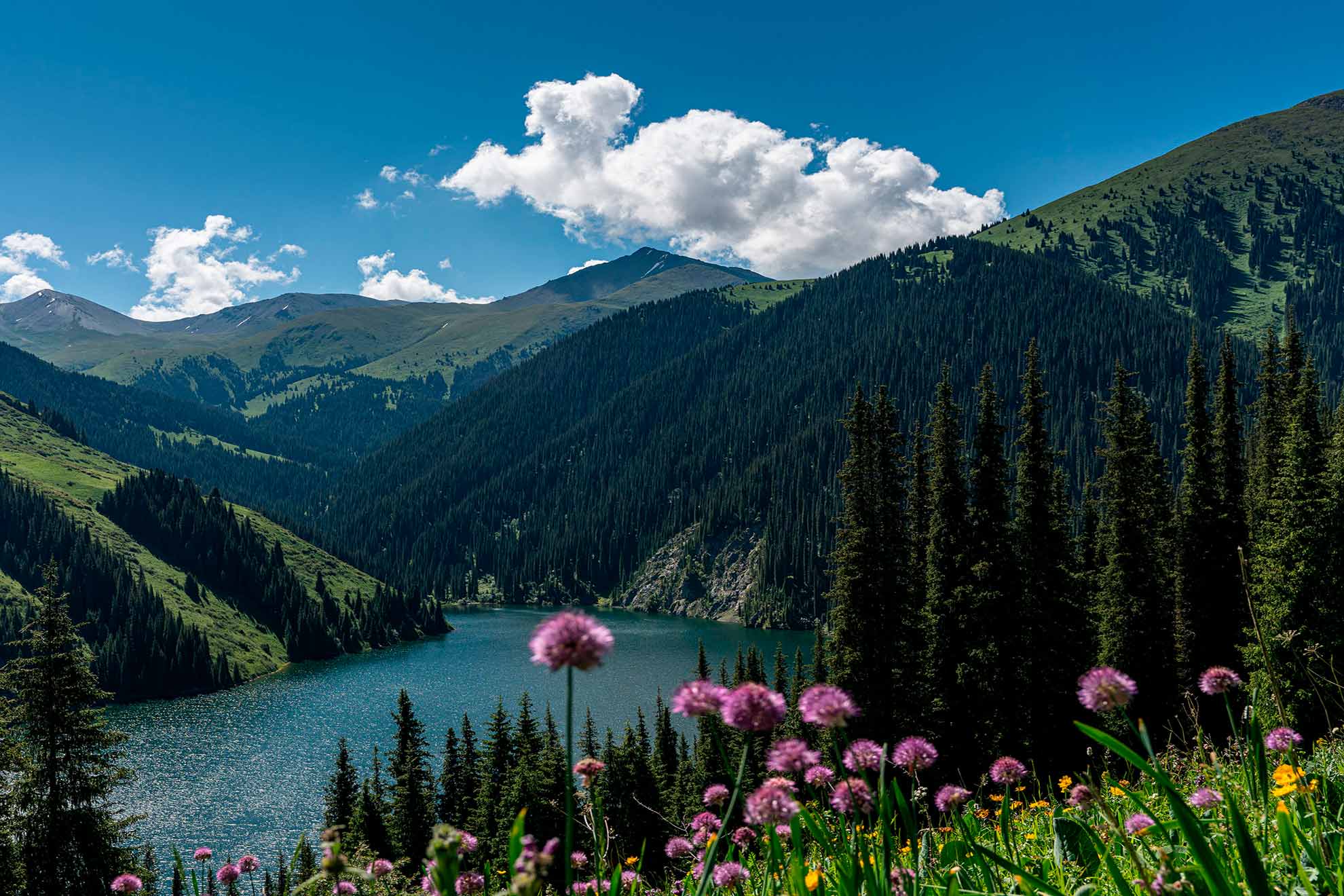
Location plays no small role: camps typically sit right at the edge of the forest or the water, where morning mist rises directly over the lake, and at night, far from city light pollution, the Milky Way becomes visible. In the evening, guests are usually served beshbarmak or other home-style dishes, cooked on site.
Where it fits in a longer route
A yurt stay rarely makes sense as a standalone trip — it fits naturally into a route of two days or more, such as our 2-Day Charyn Canyon, Kolsai & Kaindy Lakes Jeep Tour, where a night at our Yurts at Kolsai Lake falls right in the middle of the trip, when, after a day at Charyn or the lakes, you genuinely want to stay put rather than return to the city that same evening.